
As climate change threatens polar bears with extinction, a new hybrid species called the ‘pizzly bear’ has emerged, potentially preserving polar bear genes. Due to shifting habitats, this hybrid results from polar bears mating with grizzly bears in Alaska.
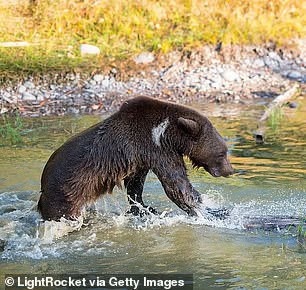
Paleontologist Larisa DeSantis from Vanderbilt University explained to DailyMail.com that melting sea ice forces polar bears inland, where they encounter grizzly bears migrating north.
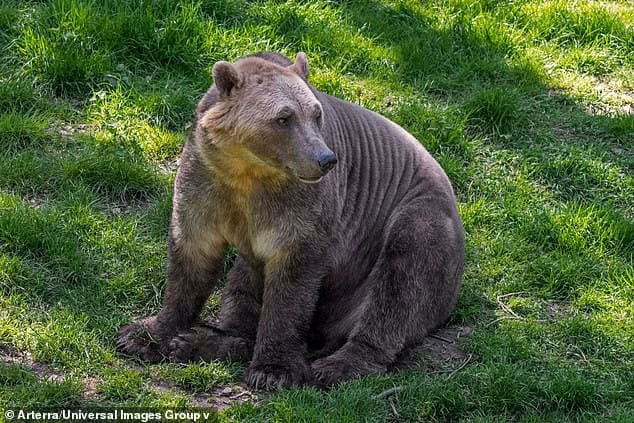
These hybrids are more adaptable to warmer climates, potentially offering a lifeline for the polar bear lineage.
DeSantis highlighted the polar bear’s specialized diet, mainly of seal blubber. The reduction in sea ice makes hunting seals increasingly tricky, leading to a bleak outlook for polar bears.
“It’s not looking good for polar bears,” she noted, drawing parallels to the extinction of saber-toothed cats, which also had specialized diets and could not adapt when their food sources vanished.
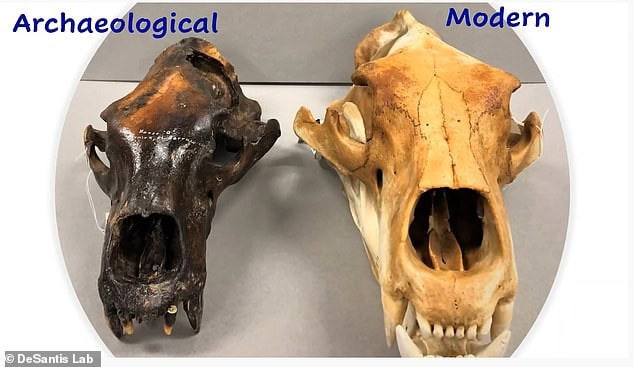
In a recent study with former undergraduate student Ansley Petherick, DeSantis analyzed the remains of 20 polar bears, some dating back 1,000 years. The goal was to determine how their diet has changed over time.
The findings showed that ancient polar bears had diets similar to modern ones, with little evidence of consuming hard foods.
However, some contemporary polar bears are now eating more complex foods they are ill-suited to digest.
This shift indicates that polar bears might be reaching a tipping point, forced to consume less preferred foods as their traditional hunting grounds disappear.
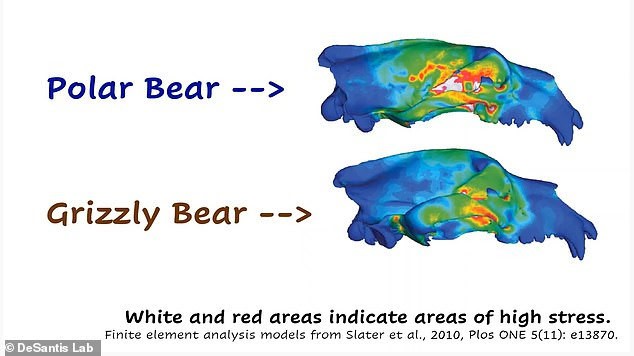
DeSantis’ team also compared the dental structure of polar bears and grizzly bears. While polar bears have smaller molars and larger canines designed for consuming fat, grizzly bears possess stronger teeth for eating hard foods like plant tubers and scavenging carcasses.
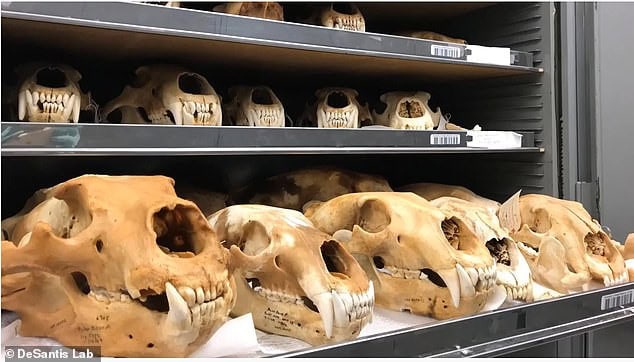
This difference underscores the grizzly’s ability to adapt to a broader range of foods and survive in changing environments.
The hybridization of polar and grizzly bears was first observed in the wild in 2006. These pizzly bears have a predominantly white coat with a brownish hue and a nose that blends characteristics of both parent species.
As grizzly bears move further north due to climate changes, their interactions with polar bears increase, leading to more hybrid offspring.
Ultimately, the pizzly bear represents a fascinating example of how species can adapt to environmental changes.
While polar bears face a dire future, their genes may continue to survive through this resilient hybrid species.
Read More Bear News
